Foundation100%
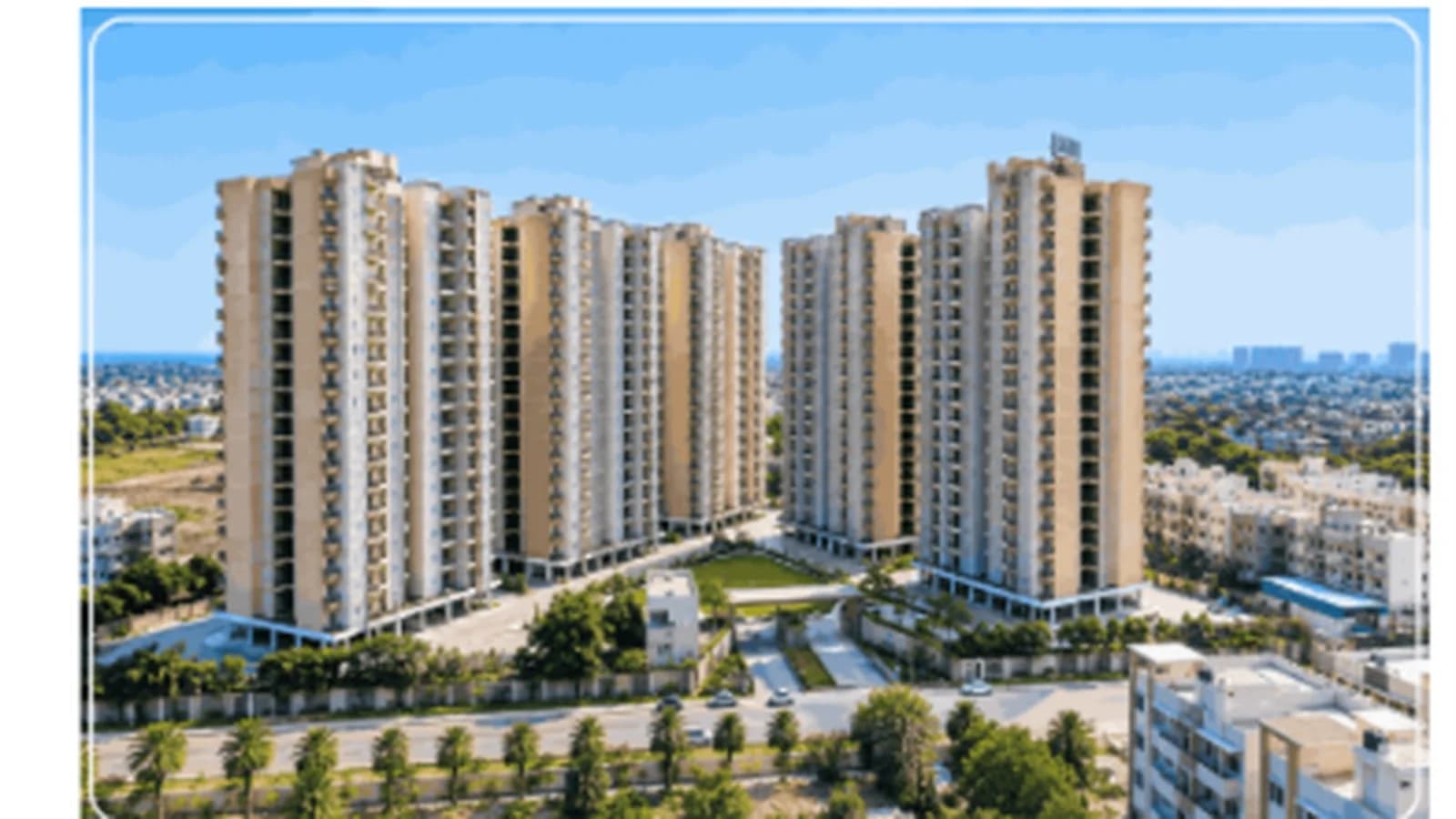
Lok awas 2BHK Residential Towers
Mohali · Demonstration developer
Demonstration project · images, client, progress and statistics are illustrative.
PROJECT OVERVIEW
Execution in focus.
This project reference highlights the construction planning, technical coordination, quality management, and site-execution considerations involved in modern multi-storey residential developments. Our approach to building projects focuses on practical planning, coordinated execution, responsible material management, and attention to construction quality.
Whether you are planning an apartment development, a residential complex, or a multi-storey housing project, Evans Build Home aims to help turn construction requirements into well-organized, functional built environments.
Residential Construction Services for Multi-Storey Developments
Evans Build Home provides construction-related services tailored to the requirements of residential 2 BHK and commercial building projects. The final scope for each project is established through technical review, contractual agreement, and coordination with the client and relevant consultants.
Pre-Construction Planning
Initial project requirements review and scope definition.
Preliminary feasibility and constructability coordination.
Budget planning and cost-estimation support.
Construction scheduling and milestone planning.
Resource, material, and procurement planning.
Identification of potential site constraints and execution risks.
Design and Technical Coordination
Coordination with architectural and structural consultants.
Review of construction drawings and technical specifications.
Coordination of plumbing, electrical, and other building services.
Buildability reviews and identification of potential design conflicts.
Review of material specifications and finishing requirements.
Permitting and Compliance Coordination
Support with documentation required for applicable building approvals.
Coordination with the client's architects, engineers, and authorized consultants.
Tracking of relevant submissions and approval milestones.
Construction planning in line with approved drawings and applicable local regulations.
Formal approvals and statutory submissions remain subject to the relevant authorities and the responsibilities defined in the project contract.
Construction and Site Execution
Civil and structural construction, where contracted.
Reinforced concrete and formwork coordination, where specified.
Masonry, plastering, and building-envelope work.
Coordination of electrical, plumbing, and other building services.
Interior and exterior finishing.
Site supervision, work sequencing, and progress reporting.
Coordination of subcontractors, materials, and equipment.
Scope of work
Final-stage inspections and defect-list coordination. Rectification of applicable defects within the agreed scope. Compilation of relevant handover documents. Coordination of as-built drawings and equipment documentation, where required. Support for agreed maintenance or warranty obligations.
Execution highlights
- Residential projects involve multiple teams, interdependent activities, and strict technical requirements. An organized execution strategy helps maintain coordination from early planning through finishing.
- We organize work into clear stages, align activities with approved drawings, and establish milestones that help teams understand priorities and dependencies.
- Effective coordination between civil, structural, finishing, and building-services teams helps identify potential conflicts early and reduce unnecessary rework.
- Inspection checkpoints help teams identify issues during construction rather than waiting until final handover.
- Clear reporting gives clients and project stakeholders a better understanding of completed work, upcoming activities, and issues requiring decisions.
- A realistic construction schedule should reflect project size, design complexity, approvals, procurement lead times, weather, and site conditions. Budget and programme changes should be communicated through an agreed change-control process.
Technology used
Technology is most valuable when it helps people make better decisions, coordinate work more effectively, and maintain reliable project records. Where appropriate, BIM can help coordinate architectural, structural, and building-services models, improve visualization, and identify potential clashes before installation. Project-management platforms can support schedules, task assignments, progress tracking, drawing distribution, and communication between site teams and project stakeholders. Electronic inspection checklists, material records, photographs, and defect logs can help organize quality documentation and make follow-up actions easier to track. Depending on project requirements, digital safety inspections, access-control systems, equipment checks, and incident-reporting tools can support site-safety management. Digital schedules, milestone trackers, and progress reports can help compare planned activities with actual site progress and identify delays requiring attention. Maintaining current drawing revisions and documenting material approvals can reduce the risk of teams working from outdated information.
Quality and safety
Reliable residential construction depends on consistent workmanship, suitable materials, documented inspections, and safe working practices. Quality and safety must be integrated into everyday site operations rather than treated as final-stage checks. Review approved drawings and technical specifications before execution. Check materials against relevant specifications and approval requirements. Inspect applicable structural, masonry, waterproofing, and finishing activities at defined stages. Coordinate required material testing and technical inspections. Record defects, assign corrective actions, and monitor closure. Maintain relevant inspection and handover documentation. Construction Site Safety Identify hazards and communicate task-specific safety requirements. Provide and enforce appropriate personal protective equipment. Maintain safe access, housekeeping, and material-storage practices. Apply suitable controls for work at height, lifting, electrical work, and machinery. Conduct applicable site briefings, equipment inspections, and incident reporting. Coordinate emergency arrangements and fire-safety requirements.
Construction progress
Under Construction (September 2026 listings)64%
Structure85%
MEP coordination55%
Finishing25%
Handover0%
8,50,000 sq.ftArea
3Blocks
2027Completion
Demo scopeExecution